Panel hearing details the complexities driving care prices higher
Witnesses tell a federal subcommittee how current factors are making
healthcare unaffordable, with few expectations that tech can help.
Given the healthcare industry’s longstanding hope that information technology might solve its vexing problems, it’s unnerving when it becomes clear that key issues lie deeper than tech can reach.
A recent congressional hearing on the affordability of healthcare hammered that very point home. There were only passing references to any differences that technology could bring to the table, and there were just as many negative influences mentioned about technological solutions as there were potential positive contributions.
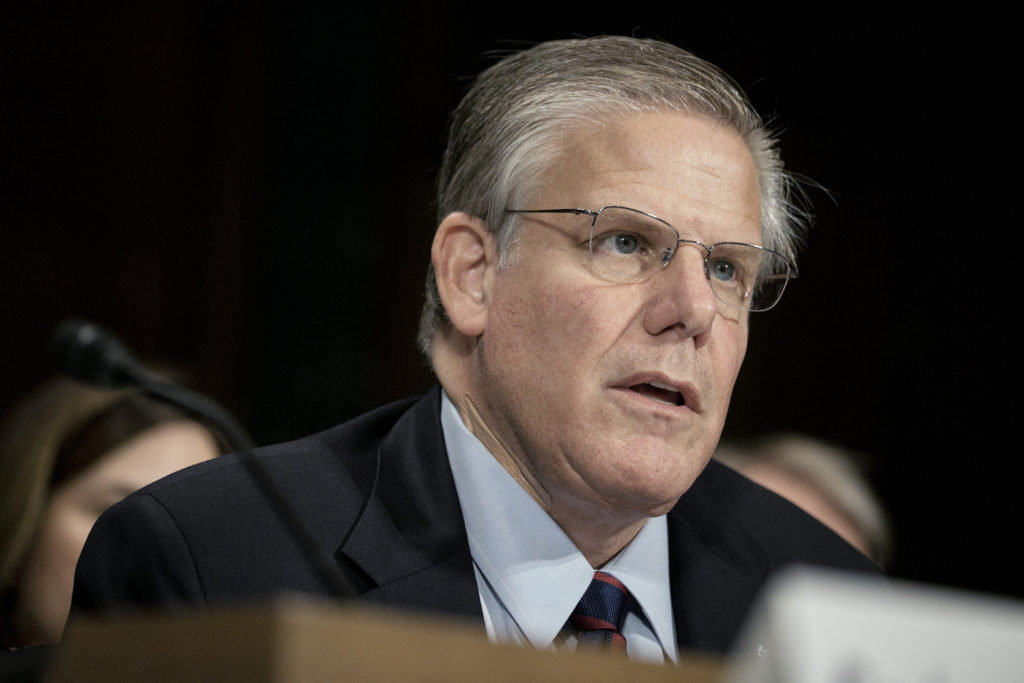
The testimony of industry leaders, on March 18 before the health subcommittee of the House’s Energy and Commerce Committee, underscored the many challenges facing the industry in restraining cost increases, while improving quality and access.
The complexity of the challenge came out in the testimony, as witnesses took a circular firing squad approach in castigating each other’s industry segments, along with blaming government policies and regulations that have serious adverse consequences that are pushing costs higher.
Consolidation’s impact
Several witnesses at the hearing, entitled, “Lowering Health Care Costs for All Americans: An Examination of the U.S. Provider Landscape,” highlighted the impact of the recent growth of consolidation among providers into large systems.
Consolidation “allows hospitals and affiliated providers to raise prices and resist both public and private efforts to rein in the resulting cost growth,” noted Elizabeth Mitchell, president and CEO of the Purchaser Business Group on Health, Oakland, Calif. “By buying up nearby independent facilities, large health systems can leverage needed access to certain specialties like maternity care or care in rural areas to command high prices across the system.”
Consolidation has also involved acquisition of physician practices, says R. Shawn Martin, CEO and executive vice president of the American Academy of Family Physicians. “Twenty years ago, about one third of family physicians were employed. Today, nearly 75 percent of family physicians are employed by hospitals, health systems or corporate entities.” Falling payment rates from public and private payers haven’t kept pace with costs, and independent practices don’t have leverage in consolidating markets.
Those fears were also echoed by David H. Aizuss, MD, chair of the board of trustees of the American Medical Association. “Market forces emerging from increasing consolidation across the healthcare system are threatening physicians’ ability to survive and interfere with the provision of the highest-quality care to patients,” he contended.
Aizuss’s organization contends that competition in hospital markets is critical for the U.S. healthcare system to function effectively. “Virtually all hospital markets are highly concentrated. In 2021, 99 percent of 389 MSA-level markets were highly concentrated,” he said. “Research consistently shows that hospital mergers in concentrated markets can significantly raise hospital prices, both for the merged entity and for neighboring hospitals.”
The ways in which hospitals are operated also put upward pressure on healthcare costs, witnesses charged. In their defense, hospital organization executives cited rising costs, especially for labor, that have not been sufficiently counterbalanced by adequate payment.
Rising cost pressures are compounded by chronic underpayment from public programs, including Medicare and Medicaid, which often fail to cover the full cost of care, they said.
“Currently, about 56 percent of hospital costs are tied to service lines where reimbursement is less than the cost of delivering care, including behavioral health, obstetrics, infectious disease, and burns and wounds,” said Anthony M. DiGiorgio, DO, a neurosurgeon at University of California San Francisco Health and an assistant professor at the University of California, San Francisco. That underpayment will heighten pressure to make up costs elsewhere, and the disparity will grow because of cuts to federal programs, he contends. “Federal funding for Medicaid is expected to decline by approximately $990 billion over the next decade, in large part due to newly enacted limits on provider taxes and state-directed payment programs.”
At the same time, hospitals are balancing significant cost pressures as they treat a sicker and more medically complex aging patient population, all while operating with persistent misalignments in how care is financed and reimbursed. Labor and supply expenses, which account for 60 percent of total hospital costs, have risen sharply over the last five years, said Richard Pollack, president and CEO of the American Hospital Association.
Pressures on clinicians
The decline of independent physician practices comes even while primary care has demonstrated it can help reduce costs by providing timely and efficacious primary care.
“Research has proven that robust primary care systems can lower overall healthcare utilization, decrease rates of disease and mortality, increase the use of preventive services, and avoid unnecessary ER visits and hospitalizations, enabling a health care system that truly promotes patient health and reduces costs,” noted Mitchell of the Purchaser Business Group.
However, only five to seven percent of total U.S. healthcare spending is spent on primary care, and that share has been falling, said R. Shawn Martin, CEO and executive vice president of the American Academy of Family Physicians. “In 2022, primary care spending dropped to less than five cents of every dollar, with Medicare spending the lowest at 3.4 percent.”
While physician payment has remained largely stagnant, spending growth in other parts of the Medicare program has accelerated, further eroding the relative share of resources devoted to physician services, added Aizuss of the AMA. “Small, rural, and independent practices are particularly vulnerable.”
Attacks on insurers
Insurers’ practices also were blamed for escalating prices systemwide and putting financial pressure on other industry segments, as well as increasing the amounts that patients must pay for their care.
“The way patients experience healthcare affordability is most closely tied to whether the premiums they pay are actually used to support patient care,” contends a statement from the Federation of American Hospitals. "Consumers reasonably expect that the premiums they pay will translate into meaningful access to hospitals, physicians and other essential services. However, vertical integration of insurers, providers and related entities has created ways for plans to technically comply with medical loss ratio standards.”
Insurer network design and benefit structures also put pressure on healthcare affordability. “One of the most visible drivers of these pressures is the rapid growth in out of-pocket costs,” said AAFP’s Martin. “Insurance benefits and coverage design are increasingly steering patients away from seeking care, including routine prevention and primary care services. Over the past decade, deductibles and other forms of cost-sharing have risen substantially.”
Affordability also suffers in health insurance markets where payers have significant market shares, the AMA contends. “High market concentration tends to lower competition and facilitates the exercise of market power. Where health insurers exercise market power, patient premiums tend to be higher, impacting healthcare affordability for patients. Physicians also face challenges in highly concentrated health insurer markets because the presence of a dominant insurer limits their negotiating power.”
The effect of government policies
Insufficient government funding also adds costs to other components of the healthcare system, witnesses noted.
For example, “our policy environment is increasingly working against primary care’s success. Payment rates undervalue the work of primary care or fail to capture much of the work altogether,” says AAFP’s Martin.
Restrictions against physician-owned hospitals also are limiting competition and restrict competition that could put some downward pressure on prices, physician organizations charged.
Finally, recent federal legislation will have long-term effects on Medicaid reimbursement rates and Medicare rates, raising costs for consumers and putting pressure on providers to shift costs to other payers.
Can technology and better data help?
The short answer is perhaps, but witnesses noted that the implementation of technology has added cost without providing commensurate savings.
“The regulatory and operational complexities created by the Health Information Technology for Economic and Clinical Health Act and ongoing challenges with health information technology and data exchange systems have created substantial administrative burdens for independent practices,” noted Martin of AAFP. He noted the time and expense tied into “navigating (EHR) documentation rules, quality reporting programs across different payers and utilization management protocols from insurers.”
That raises costs and thwarts effective treatment, said DiGiorgio. “Just documenting enough to meet CMS documentation requirements for billing is onerous,” he noted. “Doctors want to spend time healing patients, but current regulations force independent physicians to spend hours acting as data-entry clerks to keep their doors open.”
The tech burden also exists for hospitals, Pollack said. “While there is great utility in electronic health records, quality reporting metrics and cybersecurity tools, there also are substantial costs. Also costly are the contracting and revenue cycle infrastructure needed to manage increasingly complex coverage, billing and prior authorization processes, as well as the advanced analytics, reporting and clinical integration across independent providers that are needed to implement value-based purchasing arrangements. The cost for this administrative staff and technology is now estimated at 25 percent to 35 percent of all healthcare spending.”
Better data and transparent pricing regulations offer the potential to restrain healthcare prices, Mitchell contended. As hospital prices continue to rise at a rate far greater than the rate of inflation (or any other factor of the economy), purchasers will increasingly face difficult choices about whether to exclude egregiously priced providers from their network. While once very difficult, identification of these outlier providers has been made much easier in recent years due to the price transparency data.”
Telehealth holds promise to restrain costs and help reduce provider burnout, says Aizuss from the AMA. “Permanent telehealth flexibilities are needed and will help in reducing overall healthcare costs as well as provider burnout,” he noted. “The AMA strongly supports the permanent expansion of existing telehealth flexibilities as a primary way to retain healthcare affordability due to its ability to maintain patient access to physician services, especially in rural and underserved areas.”
Telehealth “influences downstream healthcare utilization, workforce satisfaction, patient experience, access to care and clinical outcomes,” he emphasized. “These elements affect key drivers of healthcare costs, including clinician retention, care quality, patient engagement and the avoidance of costly emergency or inpatient care.”
While not highlighted in the testimony, other emerging technologies, such as the use of ambient scribe technology in care documentation and AI overlays within revenue cycle activities, are showing promise in impacting the cost of delivering care and increasing the efficiency of caregivers.
The AHA’s Pollack also noted the potential that the digital and data infrastructure can bear fruit, but noted that broadband access, interoperability, cybersecurity and “safe and transparent AI” need to incorporated to ensure long-term benefits from technology.
Fred Bazzoli is the Editor in Chief of Health Data Management.